
Ice dams: How to protect your Massachusetts home and maximize your winter damage claim
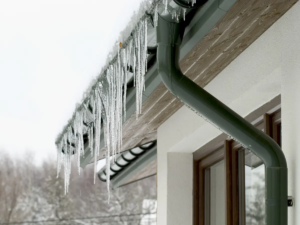
Ice dams are a predictable annual threat for property owners across Massachusetts. However, many people view them as just a messy gutter problem when they are, in fact, a sign of severe heat loss and a direct cause of structural water damage. More critically, the resulting leaks are often easily dismissed by insurers as a “lack of maintenance,” leading to frustrating denials.
As your local public adjuster firm, we want you to move beyond fear to proactive policy management. This guide provides the dual expertise you need: preventing ice dams and securing your maximum settlement if they strike.
The science of the hidden threat
Ice dams form when heat escaping from your living space melts snow on the upper roof. This meltwater then runs down the roof until it hits the cold eaves, where it freezes. This blockage forces water to pool and back up underneath your shingles, penetrating the roof deck, insulation, and ceilings.
The damage goes beyond a visible wet spot on your ceiling. The water saturates attic insulation, destroying its R-value and causing energy bills to soar. It promotes rapid mold contamination and compromises structural wood and drywall. Insurers often only pay for the visible ceiling damage, but we make sure the claim accounts for the entire structural and health consequence of the leak.
The three pillars of prevention
You can significantly reduce your risk by focusing on three key areas of your roof and attic. This is a crucial investment in protecting your claim, as it counters any insurer argument of neglect.
- Insulation: Stop the heat. Ensure your attic floor insulation is robust and continuous. This creates a thermal barrier, preventing warm air from rising from your living spaces and melting the snow above.
- Ventilation: Keep the air cold. A cold roof is a safe roof. Your attic should be the same temperature as the outside air. Proper soffit and ridge vents are essential for continuous airflow, sweeping away any heat that does escape.
- Sealing: Eliminate the escape routes. Address the small gaps that let warm air bypass insulation. Use caulking and sealant around light fixtures, plumbing vents, chimneys, and electrical boxes—these hidden leaks are often the biggest culprits in ice dam formation.
The claim traps and how we solve them
If an ice dam forms and causes a leak, you are facing a specific set of policy challenges designed to reduce the payout.
The maintenance exclusion
Insurers frequently argue that severe or chronic ice dams stem from ordinary wear and tear or lack of maintenance—both are excluded. We prove the resulting water damage was sudden and accidental, which is a covered peril under most policies, and ensure the necessary mitigation costs are reimbursed.
The covered peril vs. removal cost
While your policy covers the resulting water damage (the wet drywall, insulation, etc.), it often disputes the cost of removing the ice dam itself. We know how to classify and submit ice removal costs as a necessary mitigation or extra expense to prevent further structural damage, making sure these costs are included in the settlement.
The multiple deductible risk
If your property suffers separate ice dam events in the same season, the insurer may argue that each event constitutes a new claim, subject to multiple deductibles. We provide the unified documentation and negotiation necessary to treat repeated damage from the same general cause as a single, coordinated claim event.
Maximizing your recovery after a loss
If you have suffered damage, immediate action and detailed documentation are your greatest assets.
Mitigate, but document
You have a duty to mitigate further damage (e.g., placing buckets, professional ice removal). While doing so, you must take extensive photos of the ice dam before removal, the water trail in the attic, and the saturated insulation. Crucially, save all receipts for temporary repairs and ice removal—these become necessary Extra Expenses we claim on your behalf.
Comprehensive documentation
The average homeowner misses the hidden damage. We use specialized tools and local construction expertise to differentiate between visible water stains and the structural, mold, and insulation damage that often accounts for the majority of the claim’s true cost.
We provide peace of mind before the next snow
Dealing with winter damage is stressful, and the technical language of your policy should never determine the quality of your repair. We ensure the policy is interpreted in your favor, securing the maximum settlement you are owed.
Don’t wait for the next storm to reveal a gap in your policy. Rely on the local expertise of Grenier Public Adjusters. Contact us today for a free policy review to secure your home before the next snow falls. We’re available 24×7 at 774-239-6822.