
Frozen pipes: how to prevent them, and what to do if they burst
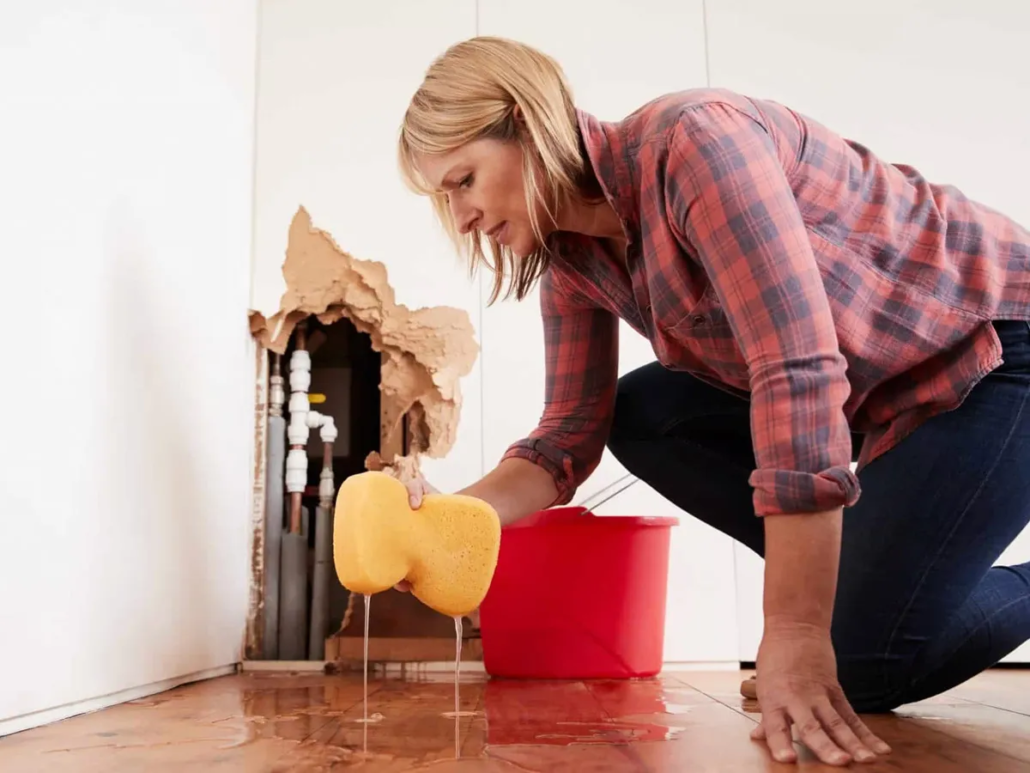
One of the biggest cold-weather causes of home damage is frozen pipes. When water freezes, it expands, which can lead to cracked or burst pipes. Even a small crack can pour out hundreds of gallons of water that damages your home and your possessions. It’s no surprise that water damage makes up nearly one quarter of home insurance claims each year. In this blog post we’ll explain what can go wrong, how to prevent it, and how your insurance coverage might surprise you.
How do frozen pipes lead to property damage?
Although water from a burst pipe is usually clean, it still wreaks havoc on your home. As water soaks into walls, floors, and ceiling, it can make carpet, flooring, drywall, and ceiling surfaces unsavable. Tearing out and replacing all of those surfaces is expensive and might require temporarily moving out of your home.
All that moisture also puts your home at risk for mold. While mold can begin to grow in just one day, it can take several days or weeks to become visible. It’s not uncommon for a homeowner to think the floors and walls feel dry, only to feel the physical symptoms of mold, from an allergic response to more serious respiratory conditions. A thorough inspection by a professional using a moisture meter can help determine how deeply the moisture damage goes.
How can you prevent frozen pipes?
There are many small steps homeowners can take to prevent damage from frozen pipes:
- Disconnect hoses and shut off outdoor water lines: Cold weather sometimes sneaks up on us before we finish the fall yard work. Waterlines to swimming pools or sprinkler systems, and the good old garden hose, need to be drained, then plugged or disconnected.
- Insulate: Foam rubber or fiberglass sleeves are good insulation for exposed pipes. In areas where pipes are not exposed, use caulk or spray foam insulation to seal up cracks and holes that could be letting in cold outside air.
- Shut off the water when traveling: Nothing ruins a winter vacation like coming back to a burst pipe. Turning off the main water supply is an easy way to prevent a lot of damage—especially damage that may sit a week or two before you come home and notice it.
- Keep water moving through the system: If the temperatures turn frigid and you are worried about pipes freezing while you are at home, let the faucets drip a little, especially in the coldest areas of the house. Open faucets help prevent frozen pipes.
- Open cabinet doors: Let warmer air circulate under kitchen and bathroom sinks to counteract the cold temperatures. For very cold temperatures, use a space heater in problem areas.
What can you expect from your insurance company?
Usually, standard homeowners insurance policies cover damage from a frozen pipe. Some caveats go along with that coverage, however.
First, many policies do not include coverage for the damaged pipe itself. Repair, replacement, and rebuilding costs are the responsibility of the homeowner.
Second, your insurance company holds you responsible for taking care of your home. The water damage will be covered if the damage was “sudden and accidental.” If an insurer determines that the damage was caused by negligence—for example, not shutting off the water while traveling or not insulating sufficiently—they may deny your claim.
Similarly, the homeowner is responsible for preventing further damage. Leaving water to sit and spread while working out your insurance claim will lead to damage that your insurer may not cover. When hiring contractors to help clear the mess, ask plenty of questions about fair pricing, billing, and the reason for the work being done. If your insurer decides the work was too expensive or not needed, they may not cover it.
A public adjuster can help you navigate these issues. You want your home thoroughly restored, so there are no nasty surprises later. And you want your insurer to pay their share of the cost. If you experience water damage from a burst pipe this winter, call Grenier Public Adjusters right away, day or night, at 774-239-6822 or fill out our contact form.